
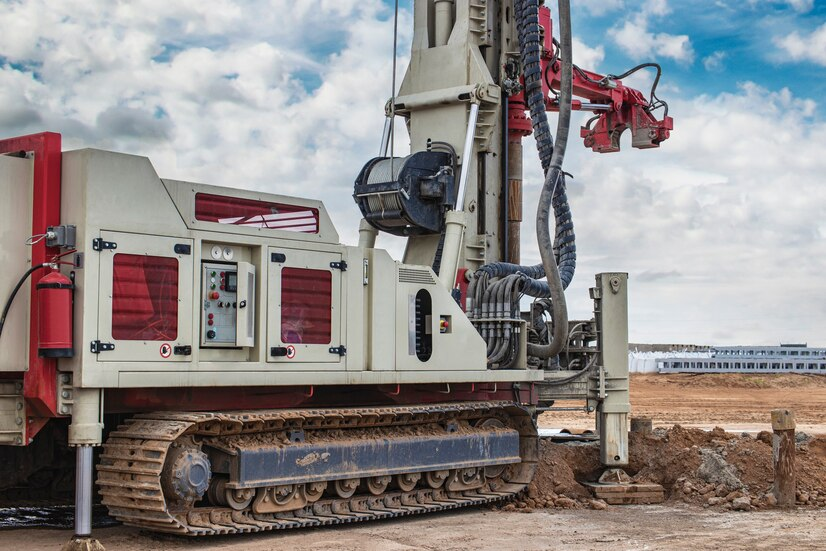
Picking the wrong drilling method doesn’t just slow a project down. It can crack concrete, compromise structural integrity, and create rework before a single installation goes in. Understanding the types of drilling used in construction gives you a clearer picture of what a project actually requires, which questions to ask your contractor, and why method selection matters from day one of planning.
Whether you’re working with a concrete slab, a hillside foundation, or a utility penetration through a commercial wall, the right approach depends on material, depth, site access, and the finish quality you need.
What Is Drilling?
Drilling is the process of creating holes or openings in a material, including concrete, soil, rock, metal, or asphalt, using rotating or percussive equipment paired with specialized bits.
In construction and industrial settings, it covers a wide range of functions. The table below shows where drilling fits across different project types.
| Setting | Common Drilling Applications |
| Construction | Foundation systems, utility penetrations, anchor installations, structural retrofits |
| Utilities | Underground conduit routing, water and gas line access, electrical duct banks |
| Industrial | Equipment anchoring, structural modifications, facility upgrades |
| Civil Infrastructure | Road repair, bridge foundations, retaining wall tie-backs |
As a drilling contractor working across residential, commercial, and industrial sites, the scope of what drilling supports is broader than most clients expect before a project begins.
Common Types of Drilling
Each drilling method is built for specific materials, depths, and site conditions. Choosing based on those factors, rather than equipment availability alone, is what separates clean results from damaged substrates and blown timelines.
Here’s how the six most widely used methods in construction and industrial work compare:
| Method | How It Works | Best Used For |
| Core Drilling | Rotating hollow bit removes a cylindrical plug | Concrete, masonry, asphalt, utility penetrations |
| Rotary Drilling | Rotating bit grinds through material using torque and pressure | Foundation boreholes, rock formations, deep soil work |
| Percussion Drilling | Repetitive impact breaks hard rock or stiff material | Hard rock, water wells, civil engineering foundations |
| Auger Drilling | Helical screw rotates to lift soil to the surface | Soft to moderately compacted soils, shallow foundations, geotechnical sampling |
| Directional Drilling | Drills at controlled angles to reach non-vertical targets | Utility routing under roads, inaccessible areas, HDD applications |
| Diamond Drilling | Diamond-tipped rotating bit cuts precise openings | Reinforced concrete, masonry, structural modifications |
For concrete drilling, diamond core drilling is the preferred method for creating clean openings in reinforced concrete. Unlike percussion methods, it produces no fractures, no spalling, and no vibration transfer to the surrounding structure. That matters considerably on occupied sites and structural retrofits.
Construction drilling guidance from Fine Cut USA confirms that core drilling “minimizes spalling and eliminates fractures without transferring vibrations to the immediate surrounding structure,” making it the standard for installation work that requires precise, damage-free openings.
Types of Concrete Drilling Used in Construction
Concrete drilling services cover far more than a single hole in a slab. From parking structures to commercial retrofits, they support the full range of construction, repair, and utility installation work. These are the most common applications you’ll encounter on active construction sites:
- Slab Drilling: Creates penetrations through floor slabs for plumbing, electrical conduit, or HVAC routing. A plumber running drain lines through a concrete slab needs a precisely sized core hole that doesn’t weaken the surrounding slab structure.
- Wall Coring: Used when cutting through concrete walls for utility penetrations, HVAC duct routing, or access openings in commercial and industrial facilities. Diameter and depth vary by system requirements.
- Anchor Bolt Drilling: Creates precise holes for structural anchors used in equipment installations, seismic retrofits, and connection hardware. Correct hole depth and diameter are critical for anchor performance.
- Utility Penetrations: Supports conduit installation, pipe routing, and cable management through concrete elements in both new construction and retrofit projects.
- Repair Access Holes: Opens targeted areas of concrete for inspection, rebar evaluation, or subsurface repair work without requiring demolition of surrounding material.
Professional drilling services in occupied buildings and active commercial spaces require dust control, proper bit selection, and wet drilling practices to meet site safety requirements.
How to Choose the Right Drilling Method
The right drilling method depends on what you’re drilling through, how deep the work goes, what site access looks like, and the finish quality the next trade needs to work with. Concrete, soil, rock, and structural assemblies each respond differently to drilling force and bit type. Use this table as a starting decision framework:
| Factor | What It Determines |
| Material Type | Bit selection, drilling method (rotary vs. percussive vs. diamond), and fluid requirements |
| Hole Size | Equipment size, bit diameter, and rig mounting requirements |
| Required Depth | Method suitability; shallow soil work suits auger drilling while deep foundations require rotary rigs |
| Site Access | Whether handheld or rig-mounted equipment is feasible; hillside drilling often requires specialized compact equipment |
| Finish Quality | Diamond core drilling for clean edges; percussion for rough openings where finish isn’t critical |
| Safety Requirements | Dust suppression, utility locating, structural engineering review for load-bearing concrete elements |
Before any construction drilling begins, utility locating is non-negotiable. Drilling into an unmarked utility line creates safety hazards and project delays that no method selection can fix after the fact.
Drilling Methods to Avoid for Certain Jobs
Using the wrong drilling approach creates problems that go well beyond a poor-quality hole. Structural damage, site safety incidents, and failed installations are the real consequences of a method mismatch. Here are the specific situations to watch for:
- Wrong Bit Type: Using a standard masonry bit on reinforced concrete strips the bit, produces an uneven opening, and can damage rebar. Diamond-tipped bits designed for concrete are required for clean construction drilling in reinforced slabs and walls.
- Excessive Force: Forcing a drill beyond the appropriate feed rate chips concrete and enlarges hole tolerances, leading to anchors and fittings that won’t seat correctly.
- Dry Indoor Drilling: Drilling concrete without water cooling on enclosed or occupied sites generates respirable crystalline silica dust. Under OSHA standard 29 CFR 1926.1153, employers must implement dust controls, including wet drilling methods or HEPA-filtered vacuums, whenever workers face silica exposure above permissible levels. Wet drilling is standard practice for interior concrete coring.
- Unchecked Utilities: Proceeding without a utility check puts workers at risk and can rupture gas, water, or electrical lines running through slabs and walls. No drilling work should begin until the area is fully marked and cleared.
Why Professional Drilling Services Matter
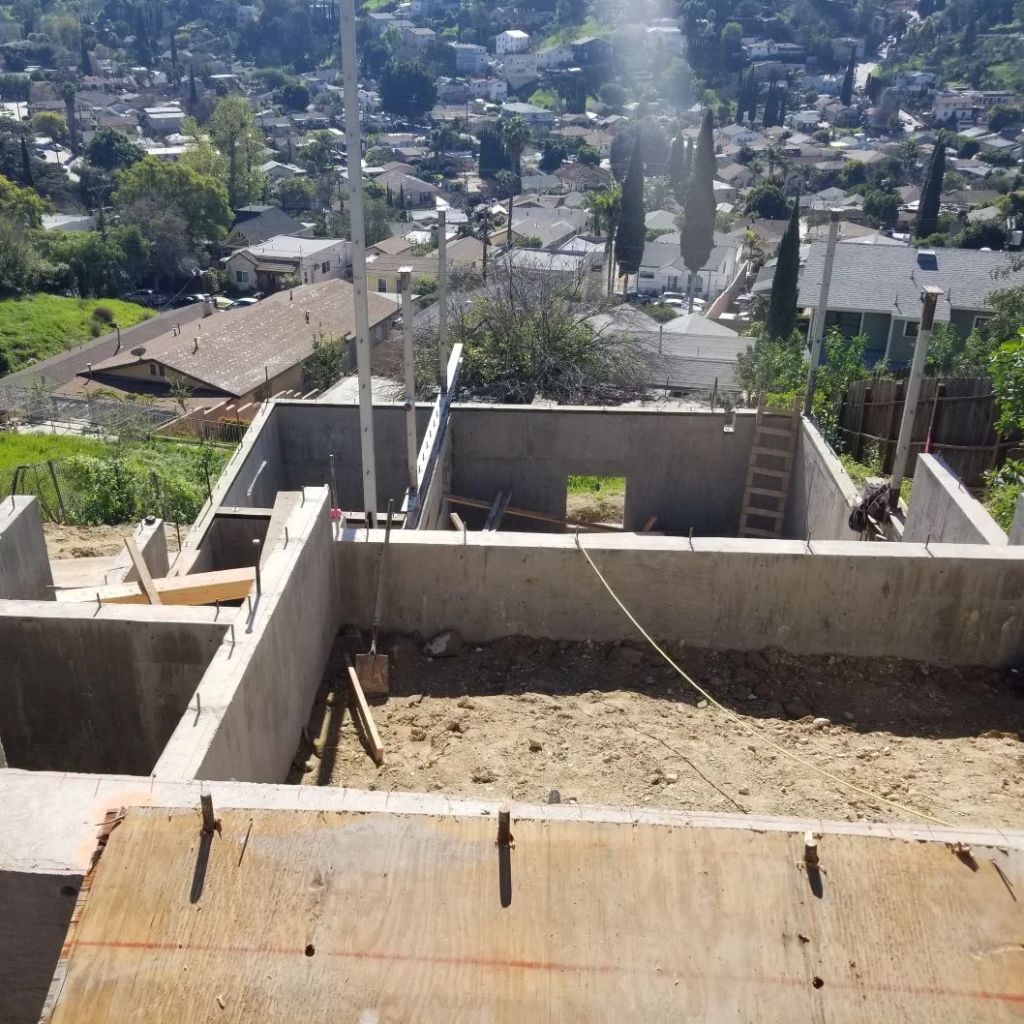
Professional drilling isn’t just about equipment. It’s about planning the work correctly before a bit ever touches the surface, and that planning is what keeps projects on schedule while protecting the structure being drilled.
Here’s where professional foundation drilling contractor expertise directly affects outcomes:
- Accurate Openings: Professionals lay out hole locations with precision, accounting for rebar placement, structural elements, and installation tolerances. An off-center core hole creates rework across multiple trades.
- Reduced Damage: Correct bit selection, controlled feed rates, and wet drilling practices prevent spalling, cracking, and surface damage to surrounding concrete.
- Safer Worksites: Professional crews follow dust control protocols, utility locating procedures, and site-specific safety requirements before any work begins.
- Cleaner Results: Diamond core drilling through reinforced concrete produces edges that need no patching or remediation, letting installations proceed without added delays.
For shoring and drilling work, structural drilling near excavations, and any pile drilling in Los Angeles involving deep foundations or hillside conditions, a licensed contractor brings engineering-backed planning to the entire job, not just the drilling itself.
Key Takeaways About Different Types of Drilling
Every drilling method has a specific role. Core drilling opens concrete cleanly for utility and installation work. Rotary and auger drilling handle foundation boreholes and soil work. Percussion drilling breaks through hard rock where other methods lose ground. Directional drilling routes utilities under roads and through areas with no direct surface access. Caisson drilling supports deep foundation systems for heavy structures on challenging terrain.
The different types of drilling aren’t interchangeable. Material, depth, site conditions, and required finish quality each drive the method selection. Working with experienced professionals helps ensure projects stay on track and structures remain intact throughout.
Frequently Asked Questions About Types of Drilling
What type of drilling is used for concrete?
Diamond core drilling is the standard method for concrete in construction. It produces clean, precise openings without fracturing surrounding material or transferring vibration to the structure. Percussion drilling is used for rough penetrations where finish quality is less critical.
What is the difference between core drilling and rotary drilling?
Core drilling uses a hollow rotating bit to remove a cylindrical plug of material, creating clean, round openings in concrete, masonry, or asphalt. Rotary drilling uses a solid rotating bit to grind through soil, rock, and other formations and is typically used for boreholes and deep foundation work rather than utility penetrations.
How do contractors choose the right drilling method?
Contractors evaluate material type, required hole size, depth, site access, and finish quality requirements. Safety factors, including utility locations and dust control requirements, also shape method selection. Specialized sites such as hillside properties or active commercial spaces add further constraints that experienced crews account for in advance.
When should I hire a professional drilling contractor?
Hire a professional for any drilling into reinforced concrete, structural elements, or load-bearing assemblies, and for all foundation and subsurface work. Professional crews bring proper equipment, dust control practices, and layout precision that protect both the structure and the people working on site.
