
Safety is not optional on construction sites. Wouldn’t you agree? For success in construction projects, you need safety and stability across every activity. Workers may be dealing with deep trenches or unstable soil, which requires adequate earth shoring. Vertical structural shoring is needed when digging for multi-story buildings. Earth and structural shoring play distinct yet essential roles during excavation, demolition, and construction.
Safety is necessary for these jobs because it protects human life and financial investments and saves entities from legal troubles. For instance, trench shoring, a type of earth shoring method, is necessary when working underground.
Ask any experienced builder or construction worker, and they will tell you that temporary support is a key aspect of construction work. Cutting corners here is a risk not worth taking! This is precisely why the rules associated with implementing shoring systems are critical.
Shoring in construction is divided into two main categories: earth shoring, which stabilizes soils and trenches, and structural shoring, which involves erecting beams, decks, or other structures for safety during construction. People involved in construction projects must understand these. Let’s define shoring and read about its ten essential roles in every project.
What Is Shoring In Construction?
Every builder wants their building to stand firm once built. However, several steps must be taken to ensure stability before a building can be built. Shoring refers to providing temporary support to prevent collapse; it comes in various forms depending on your project’s specific needs. Earth shoring can support soil and trenches during excavation, while structural shoring supports structural parts like beams and walls during construction.
Shoring is essential to the construction process; it is built for temporary support. In deep excavations or areas where soil conditions are not ideal, shoring increases the stability of adjacent structures. Shoring techniques typically depend on the project requirements and soil conditions. However, they serve a common purpose across all construction projects—they provide stability.
Earth shoring is frequently seen around trench walls and retaining walls. Structural shoring is usually required during renovation or redevelopment to support beams or walls temporarily. Shoring is vital in ensuring safety, whether the project involves building a skyscraper or a sidewalk.
10 Important Roles of Shoring
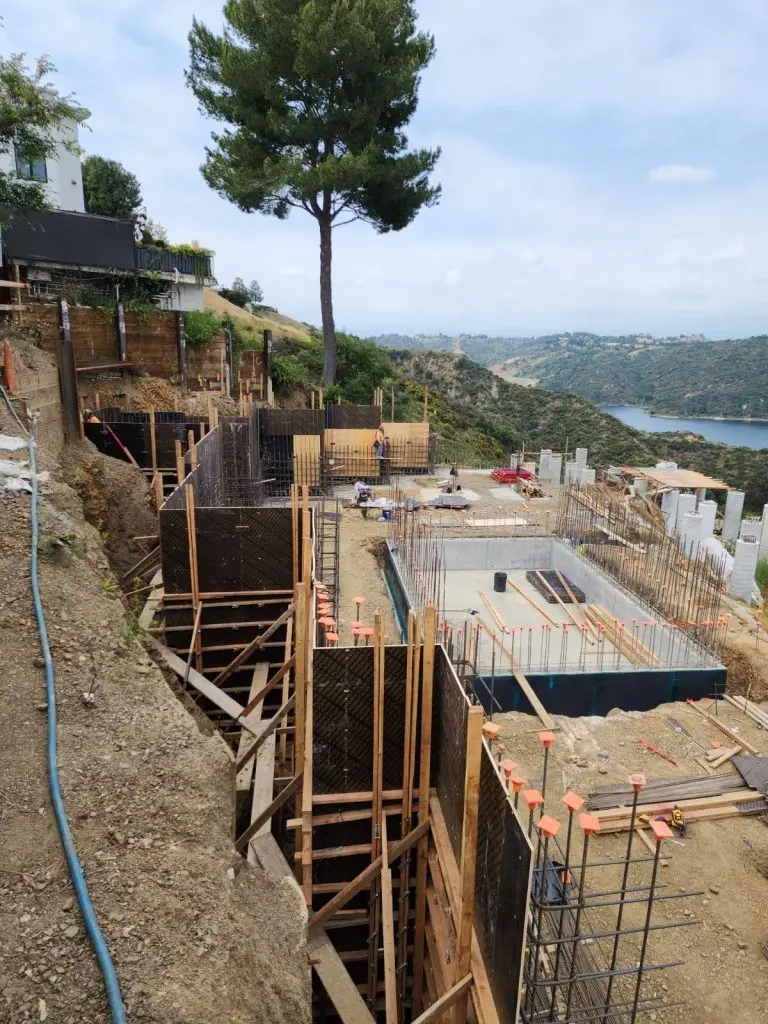
Are all construction projects the same? They are not! However, every construction project needs a few key ingredients for success: safety, stability, and efficiency.
To be truly effective, builders must follow specified, proven rules. Ignoring construction rules, including shoring (earth, structural, or both), can prove dangerous. While worker safety is crucial, builders must follow regulations to comply and safeguard their investments.
They must instruct their teams (supervisors, engineers, and other members) on how shoring systems (based on the project) help achieve construction objectives while prioritizing safety. Here are 10 important roles of shoring that everyone must understand:
1. Providing Structural Support for Excavations
Excavation sites need proper support before work can begin. Failing to use the correct earth shoring techniques for excavations to stabilize the soil can lead to collapse. For example, loose soil may lead to a cave-in during excavation.
If the soil moves while excavation is on, no one and nothing is safe. Hence, reputable concrete contractors Los Angeles CA install earth shoring systems early, particularly because they frequently work in tight urban spaces.
2. Preventing Foundation Settlement
Unstable soil can cause foundation settlement problems. Preventing issues with foundation settlement involves several steps, and earth shoring is one of the most crucial. Before construction can begin, builders typically have teams conducting soil investigations, employing soil improvement techniques, and taking other measures for stability.
When shoring is ineffective, cracks and misalignment are common. In extreme cases, they can cause structural failure. Earth shoring is necessary to keep new and old structures safe by preventing damaging shifts. Structural shoring can support the existing foundation or structural elements during construction. For example, teams supervise earth shoring during a concrete repair Los Angeles project to avoid soil movement.
3. Stabilizing Sloped or Inclined Surfaces
Earth shoring systems become even more essential on construction sites with natural slopes or inclined surfaces. Landslides and soil erosion are serious risks on such sites. Stabilization techniques such as retaining walls, soil nails, soldier piles, etc., are commonly used earth shoring methods to strengthen sloped surfaces.
If earth shoring is ignored, it can lead to soil collapse. For example, ignoring trench shoring can mean safety violations and delays. Providing temporary support can help keep operations smooth during these projects.
4. Supporting Temporary Structures During Construction
During the various stages of construction, many temporary structures and frameworks, including scaffolding, walls, etc., are needed. Until the site is fully ready and permanent structures are built, temporary support is unavoidable. Such structural shoring for safe support must be built to handle varying loads.
Changing weather conditions must also be considered during structural shoring in construction. In buildings with extensive vertical expansion, structural shoring supports work above while ensuring safety below.
5. Enabling Safe Load Transfers
Load-bearing paths, like beams or slabs, are used across construction sites. Sometimes, columns or floors are added for support. Structural shoring enables safe load transfers by temporarily balancing and distributing loads during construction activities. A reliable structural shoring system ensures no area or part is burdened beyond capacity during construction.
If you’re looking for drill rental Los Angeles, shoring systems, along with the right rental equipment, can keep people, machinery, and structures safe.
6. Protecting Adjacent Structures and Infrastructure
Protecting adjacent structures is critical across projects, but it is even more important during construction in areas with many neighboring buildings and roads. Earth shoring techniques like secant pile walls, flying shoring, raking shoring, soldier piles and lagging, etc., help prevent ground movement that could impact nearby structures.
Good earth shoring reduces the impact of construction activities on nearby buildings, roads, etc. For example, shoring contractors Los Angeles CA estimate ground movement and load when sites are close to other buildings, drainage systems, etc.
7. Assisting in Tunneling and Subsurface Construction
Tunneling and subsurface construction are among the most dangerous forms of construction. Since they are typically done under roads in urban areas, earth shoring systems are integral to safety. Trench shoring prevents soil collapse.
Subway tunnels, utility ducts, underground warehouses, road tunnels, etc., are typical examples of tunneling and subsurface construction. Workers rely on proper earth shoring and trench shields to prevent dangerous cave-ins. We cannot stress enough how vital earth shoring is for workers’ safety in such cases.
8. Improving Worker Safety
This one’s simple but vital and needs no explanation! Both earth and structural shoring save lives. Unsafe working conditions can lead to accidents, collapses, and injuries. Adhering to safety standards specified by the Occupational Safety and Health Administration (OSHA) is mandatory.
More importantly, it dramatically reduces risks. Worker safety is a moral and ethical requirement, not just a legal safeguard.
9. Reducing Construction Time and Costs
Shoring requires time and effort—that’s true! However, inadequate or incorrect shoring is more expensive and troublesome. Poor earth shoring can lead to soil instability or collapse. Inadequate structural shoring can result in failures, injuries, and delays in receiving construction permits.
Such problems typically cost construction companies and builders more money and time. Plus, they bring multiple legal hassles. By investing time and money in construction shoring based on their requirements, companies can plan well, comply with the necessary guidelines, reduce paperwork, and meet deadlines.
10. Aiding in Earthquake Resistance and Building Stability
Both earth and structural shoring in construction, particularly in seismic areas, help control lateral movement. Earth shoring offers much-needed resilience during excavation and the early stages of construction when ground shifts and soil movements can prove hazardous.
While developing sites in earthquake-prone areas, construction companies and builders must focus on properly using earth and structural shoring techniques, which are crucial for new and existing structures.
Conclusion
Shoring may seem like a tedious task to complete for compliance during construction. However, it is a lifesaver! It protects workers from danger and keeps companies away from financial and legal issues. Earth shoring stabilizes soil while structural shoring supports concrete decks and frameworks. Safety and stability are impossible to achieve without proper shoring.
If your construction project needs expert assistance and supervision, hire qualified people! At Semper Drilling, our teams offer engineering and construction solutions for construction projects of different sizes. Support is everything in the construction industry; let us work with you to ensure strength in construction.
