
It is essential to understand the difference between onshore and offshore drilling if you want to go into the depths of the oil and gas industry. Understanding the cost, infrastructure required, environmental impact, and other factors is essential to determine your project’s economic viability and global significance.
What is Onshore Oil Drilling?
Onshore oil drilling is the process of drilling on land in order to acquire oil. It involves finding a location with underground oil reservoirs and setting up drilling rigs with the help of a Piles drilling contractor and other equipment. In this process, the land is drilled vertically to acquire oil. To put it simply, in onshore drilling sites, the oil that is found beneath the Earth’s surface is drilled and sent for further processing.
What is Offshore Oil Drilling?
Offshore drilling takes place under the water. The process typically occurs under the sea or ocean, and drilling contractors set up the drilling rig above the water surface on a vessel or platform. In this process, oil is extracted from the seabed and sent for further processing in the oil and gas industry.
5 Key Differences Between Offshore & Onshore Drilling
1. Location & Infrastructure
There is a vast difference in terms of location between onshore and offshore drilling. Onshore drilling takes place on land with underground oil reservoirs. The process typically occurs in a less populated area, such as a desert or a forest. In offshore drilling, the process takes place under the sea, typically in deeper waters.
When it comes to infrastructure, onshore and offshore drilling are significantly different. Generally, offshore drilling operations are considered to be more complex than onshore drilling. The former requires massive platforms, oil rigs, and subsea equipment. It uses a floating platform and submersible rig to perform the drilling operations. In onshore drilling, simpler equipment such as a standard rig and pump jacks is used.
2. Cost of Operations
Logically, since offshore drilling is more complex and takes place in the middle of the sea or ocean, the cost of operation is higher. In comparison, onshore drilling is a little less complex. Hence, the cost of operation is lower.
3. Risk and Safety Measures
Offshore drilling is risky due to the harsh marine environment and the high possibility of hurricanes. Moreover, there is a greater chance of equipment failure in offshore drilling. Hence, the safety measures are also more stringent.
In comparison, onshore drilling is less risky. Still, threats of groundwater contamination and environmental concerns such as land degradation exist.
4. Environmental Impact
There is no denying that the environmental impact of offshore drilling is higher than that of onshore drilling. Accidents in offshore drilling can lead to major environmental disasters. For instance, oil spills can lead to destruction of the marine ecosystem and the coastal areas.
In onshore drilling, there are concerns about land degradation, groundwater pollution, and destruction of the habitat of living organisms.
5. Accessibility and Logistics
Accessibility and logistics in offshore drilling sites are challenging. One requires a boat or helicopter to transport equipment and drilling personnel to the site. Moreover, if the weather conditions are bad, operations may be delayed for many days.
On the other hand, accessibility and logistics in onshore drilling are comparatively easier. Good road connectivity and the easy availability of essential infrastructure allow quick access to equipment, personnel, and other resources.
Advantages of Onshore Drilling
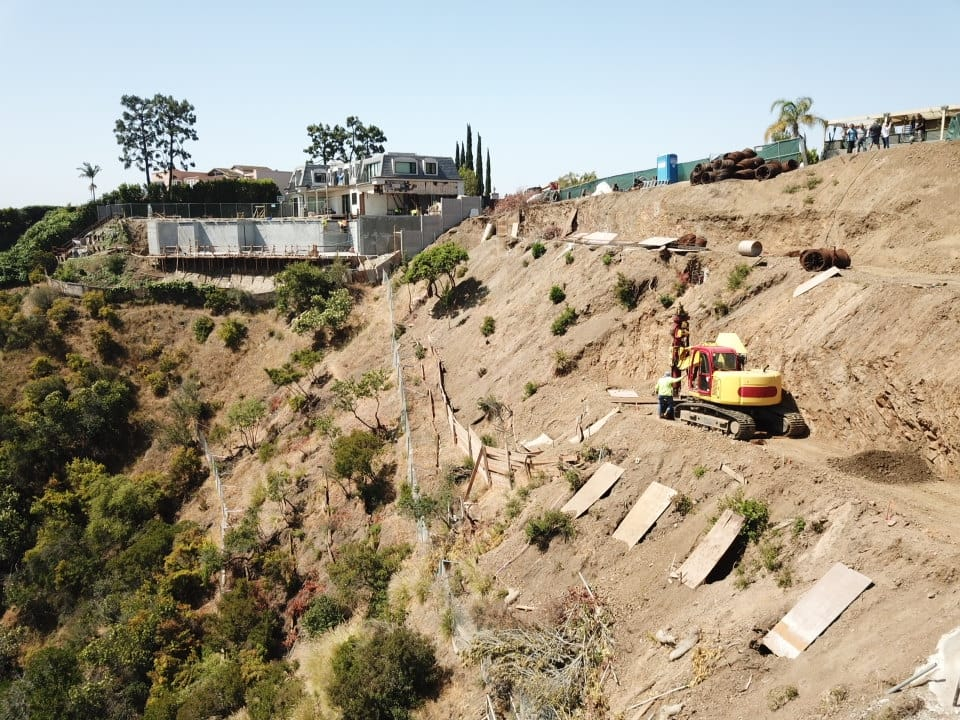
Onshore drilling comes with several advantages. Let us look at them one by one below:
Lower Costs and Faster Setup
The first advantage of onshore drilling is that the total cost involved in the operation is lower, and it is very easy to set up the infrastructure. As mentioned earlier, onshore drilling takes place on land, so operational costs are low, and setting up the equipment is simple. Also, most sites are in close proximity to the road and other essential infrastructure, making the overall cost lower and the process faster.
Easier Maintenance and Operations
When it comes to maintenance and operations, onshore drilling is a clear winner. The regulations related to onshore drilling are less complex, meaning maintenance and operations are easier. This makes it the best option for businesses that have a lower budget.
Advantages of Offshore Drilling
Offshore drilling is a more complex operation, but the advantages are greater. Let us look at them below.
Access to Larger Oil Reserves
The first advantage of offshore drilling is great access to oil reserves. The seabed has a huge reservoir of oil and natural gas. Now, although offshore drilling is complex, you get access to these reserves with little to no competition. Now, if you are a company based in Los Angeles, a service specializing in Caisson drilling in Los Angeles can simplify the process.
Lower Population Disruption
Offshore drilling takes place on the seabed, which minimizes the risk of population disruption and any potential conflict with the local community. Most of the time, onshore drilling is accompanied by a lot of backlash from nearby residents and environmentalists. However, since the scale of population disruption is lower in offshore drilling, the chances of potential conflicts are also lower.
Challenges in Onshore vs Offshore Drilling Operations
Both onshore and offshore drilling have their fair share of advantages and disadvantages. Along with it, they also have their own challenges, which we will discuss in the section below.
Land Acquisition and Community Impact (Onshore)
In onshore drilling, one of the most significant challenges is land acquisition and community impact. Onshore drilling leads to environmental disturbances and habitat disruption. This may alter the entire ecosystem and lead to severe consequences. The operations also directly affect the nearby communities, leading to serious conflicts. Moreover, land resources are in high demand, and it may be difficult to acquire land to set up the infrastructure and equipment.
Weather and Deep-Water Conditions (Offshore)
The weather conditions in offshore drilling play a very important role, and bad weather may lead to delays in operations for several days. The deep sea is prone to storms and hurricanes, making offshore drilling risky both in terms of life casualties and overall cost. However, the rewards are also higher as the deep sea has an abundance of oil and gas reserves, and not many companies plan on offshore drilling as the operational costs are higher.
Maintenance and Repair Issues
Both onshore and offshore drilling require maintenance and repair. However, the maintenance and repair process is more straightforward in onshore drilling. Most onshore drilling sites have proper road transportation, making transporting equipment to the site simple. This makes maintenance and repair easy.
In offshore drilling, equipment and personnel are transported through helicopters or boats, making repair and maintenance much more complex. You can take the help of drill rental in Los Angeles for an easier process.
Conclusion
Both onshore and offshore drilling have their own challenges and advantages. If you are a company planning to dig the vast oil and natural gas reserves, Semper Drilling is here to simplify the process. Our services include Piles drilling, Foundation drilling, Caisson drilling, and much more. Connect with us today and make your operations straightforward.
